8HOME/col/col9712/index.htmlTEACHERS/col/col9693/index.htmlFAMOUS TEACHER/col/col9693/index.html

产品名称:Research and Training: Focusing on Precise Classroom Teaching
更新时间:2022/03/24 16:57:27
产品详情
To further deepen the curriculum reform, adapt to the new college entrance examination, explore the classroom teaching transformation based on core literacy under the background of the new curriculum standards and new textbooks, promote the in-depth implementation of precise teaching, further optimize teaching links, and enhance classroom efficiency The Research and Training Office of our school, in collaboration with the High School Basic Department, conducted a precise classroom teaching research activity for the second semester of the 2021 academic year on March 17th and 18th.
For this activity, two teachers from each of the five teaching and research groups of mathematics, physics, chemistry, history and geography in the high school Basic department were selected to conduct teaching of the same lesson in different ways. Administrative staff of the teaching line, directors and deputy directors of relevant departments, and teachers of related subjects participated in the class observation and evaluation activities.
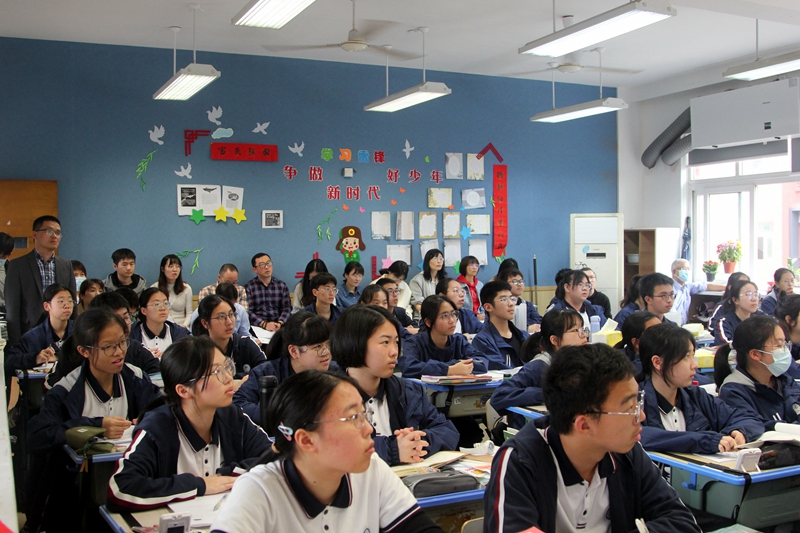
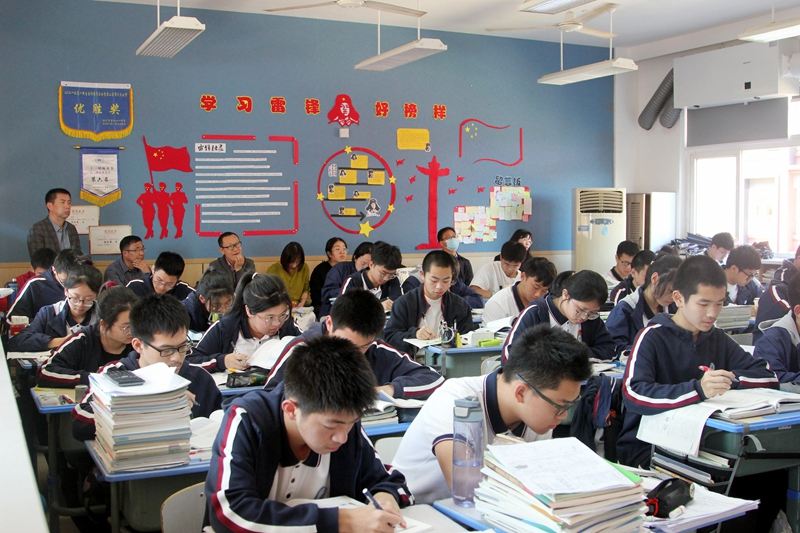
The scene of the class opening
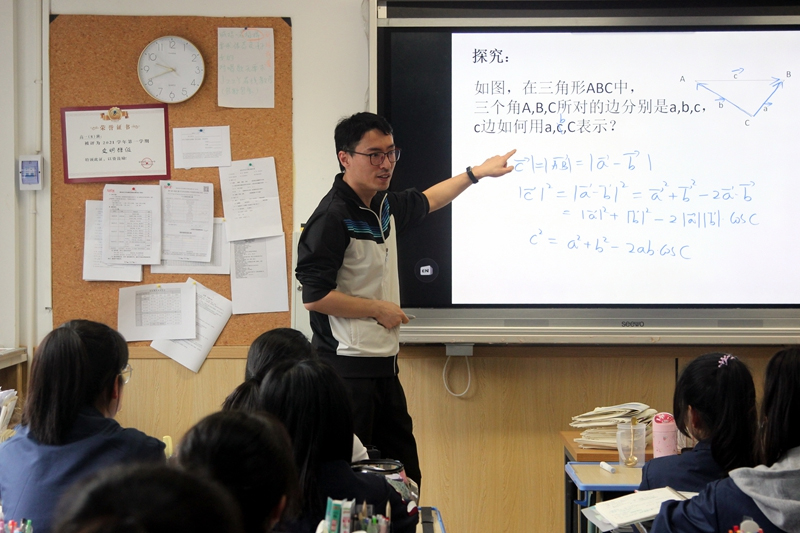
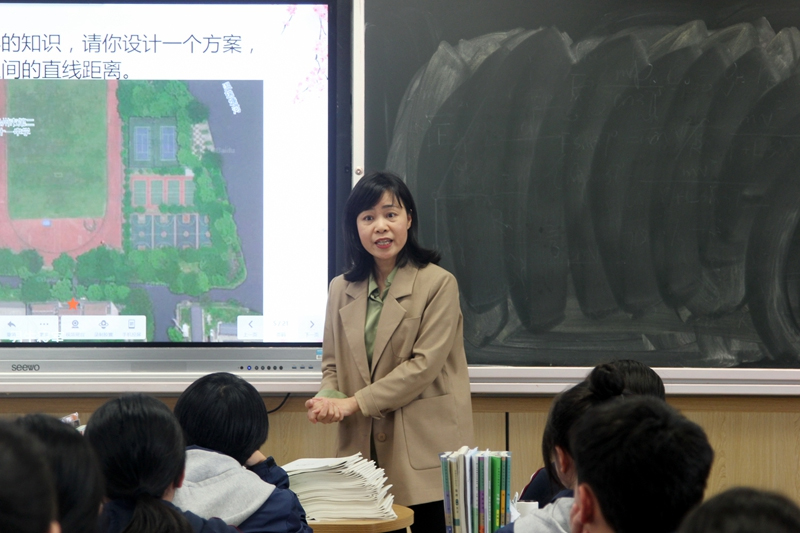
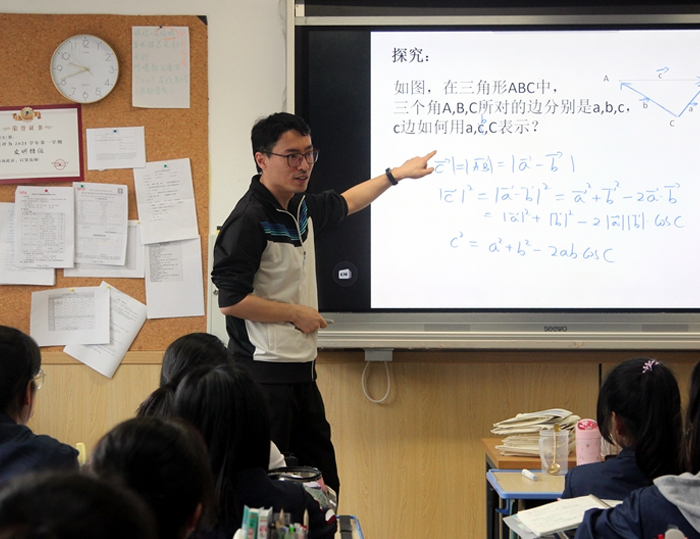
The open class of Mr. Chen Qiang and Ms. Huang Leyan from the High school Mathematics department
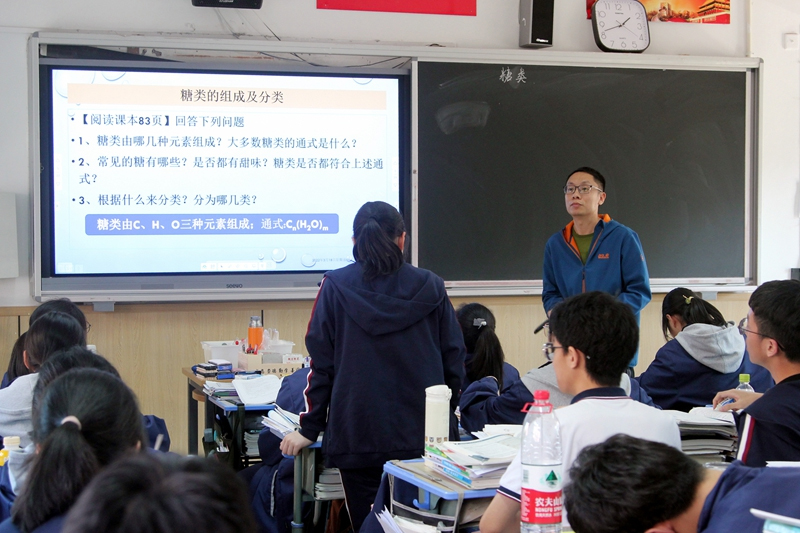
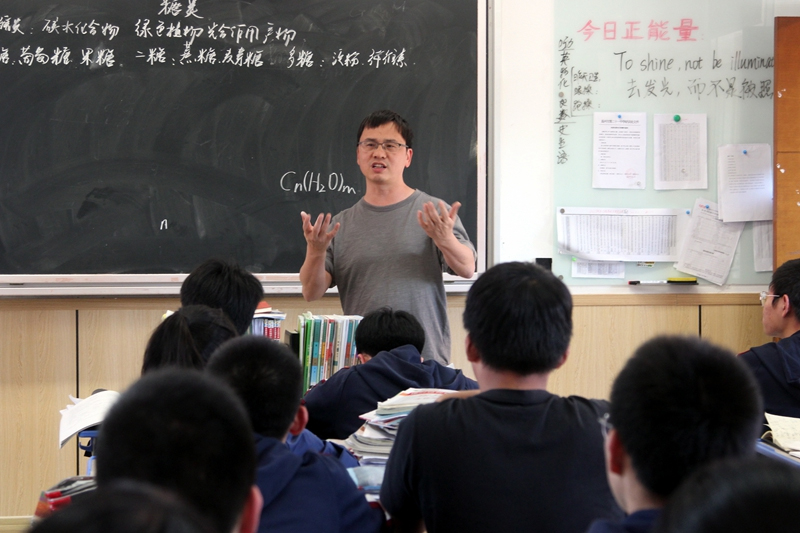
The open class of Mr. Hu Li and Mr. Liao Xiaolai from the High school Chemistry Department
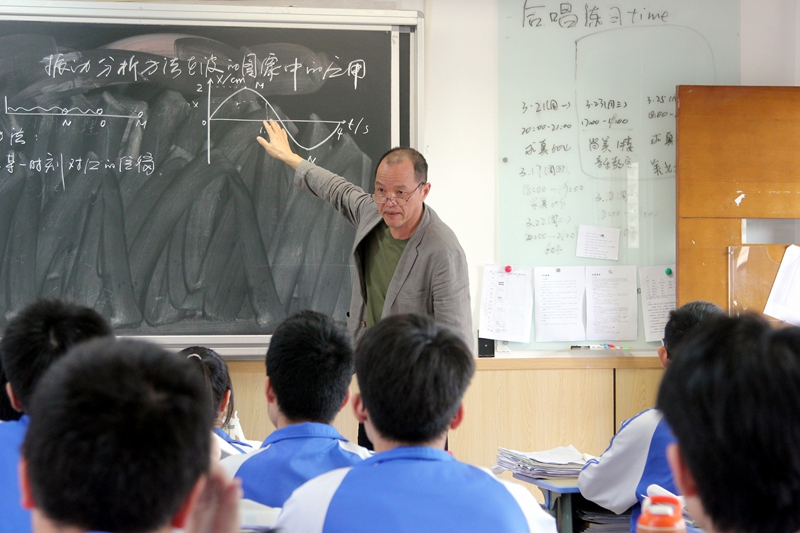
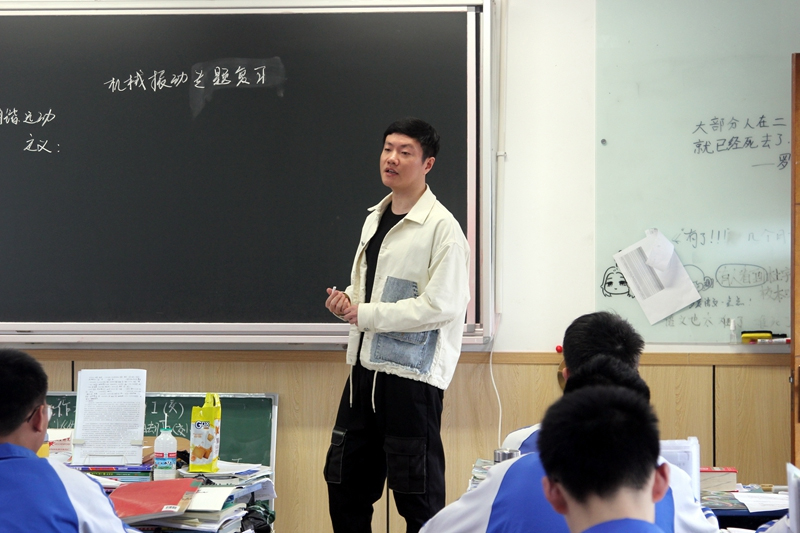
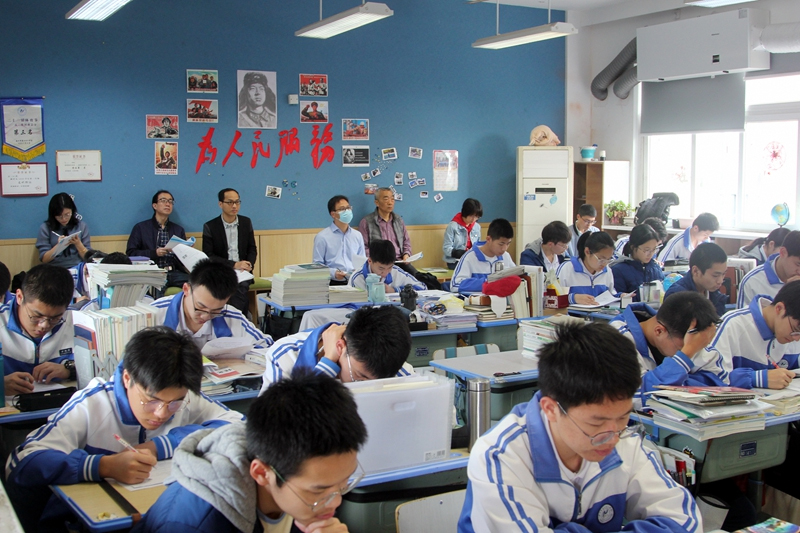
The open class of Mr. Yin Zuomo and Mr. Weng Xianxiang from the high school physics department
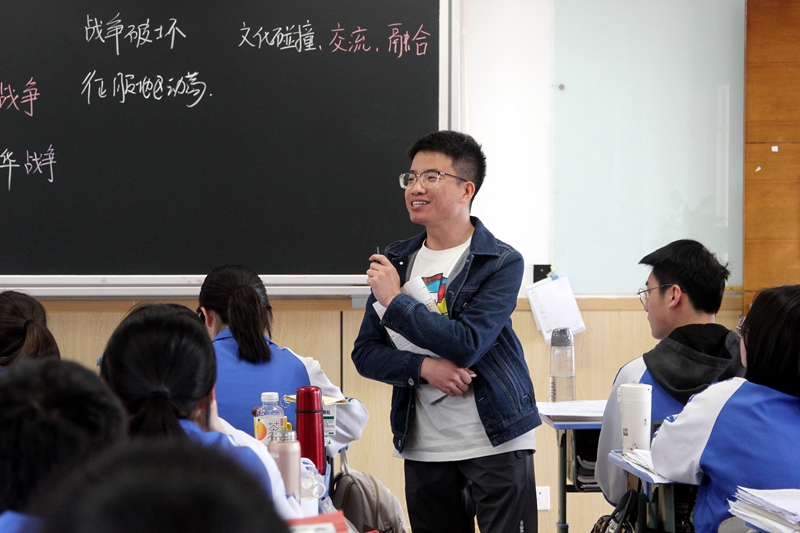
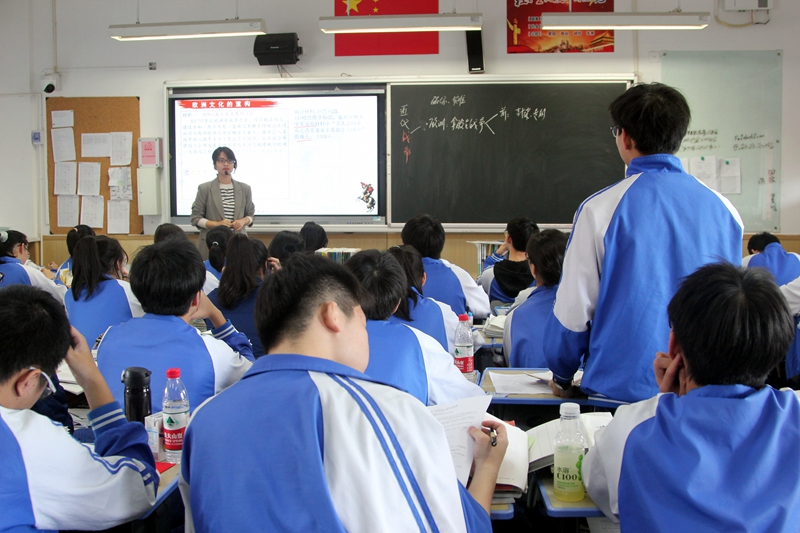
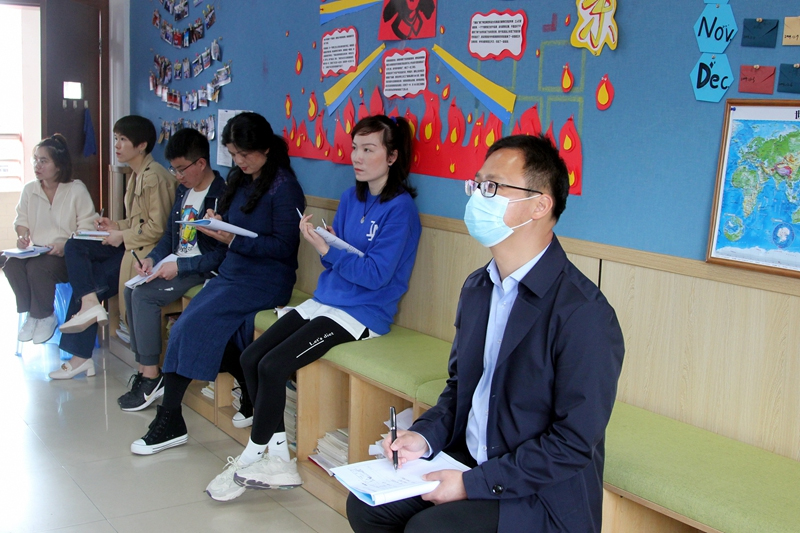
The open class of Mr. Wang Ze and Mr. Wu Quanjie from the high school history department
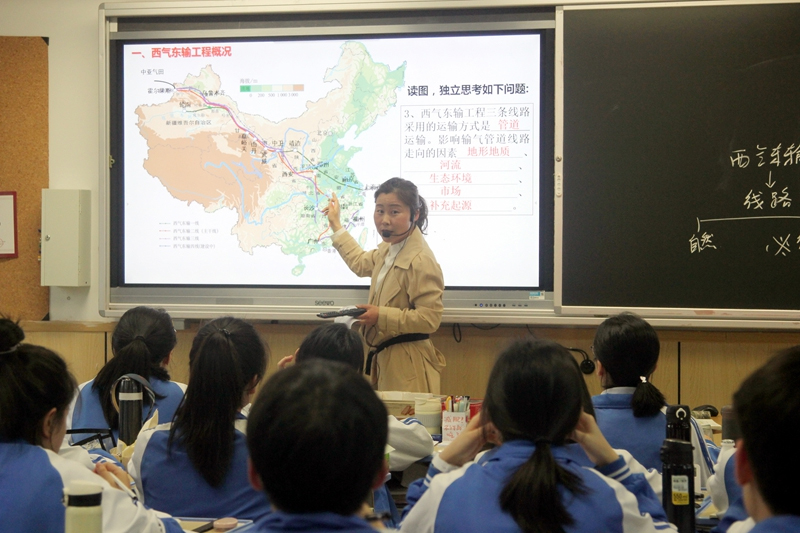
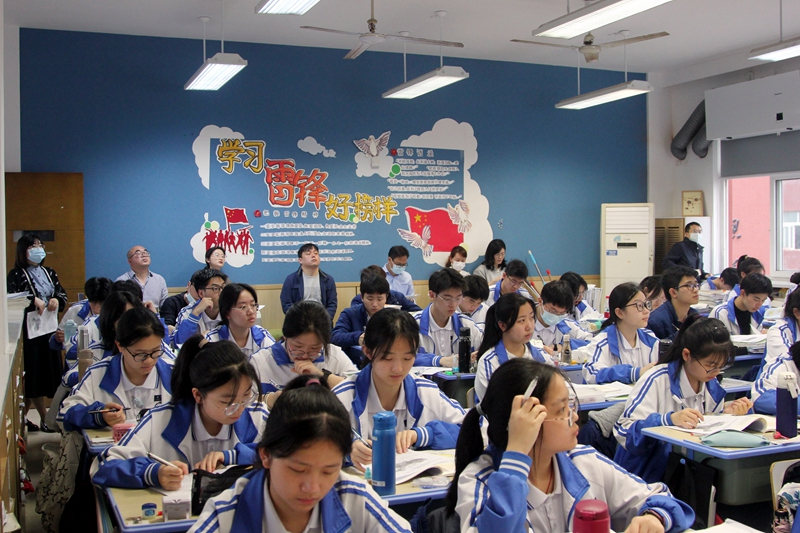
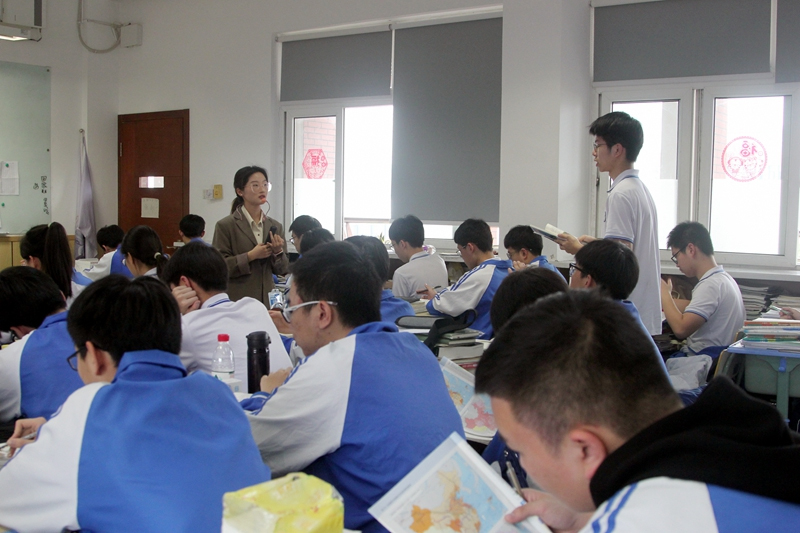
The open class of Teacher Liu Na and Teacher Jin Shuyi from the High school Geography Department
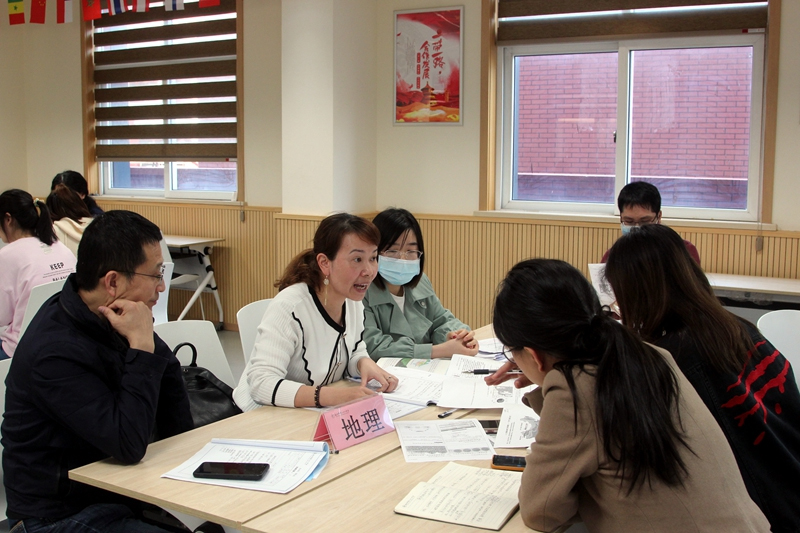
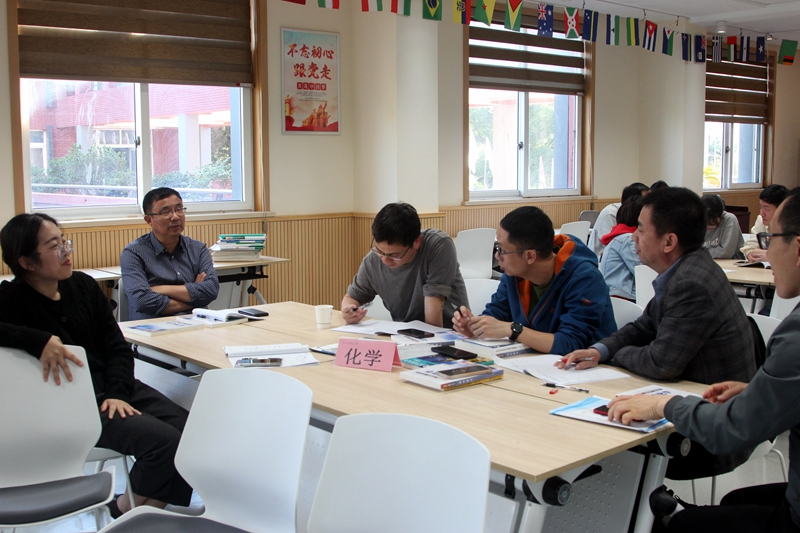
The lesson evaluation activity was presided over by Li Ya, the deputy director of the Research and Training Office. First, the teachers who gave the lessons evaluated themselves, and then the heads of the teaching and research groups, the heads of the lesson preparation groups and other group members conducted evaluations by others on the topic of "precise teaching".
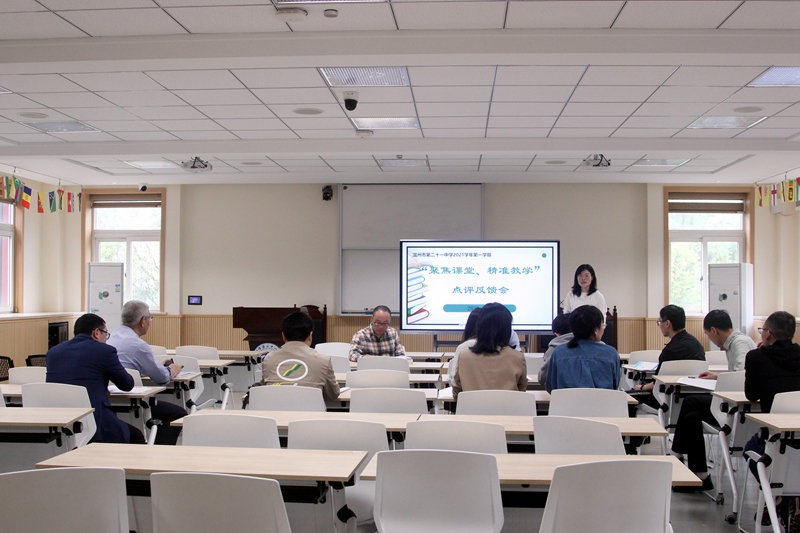
The scene of class evaluation
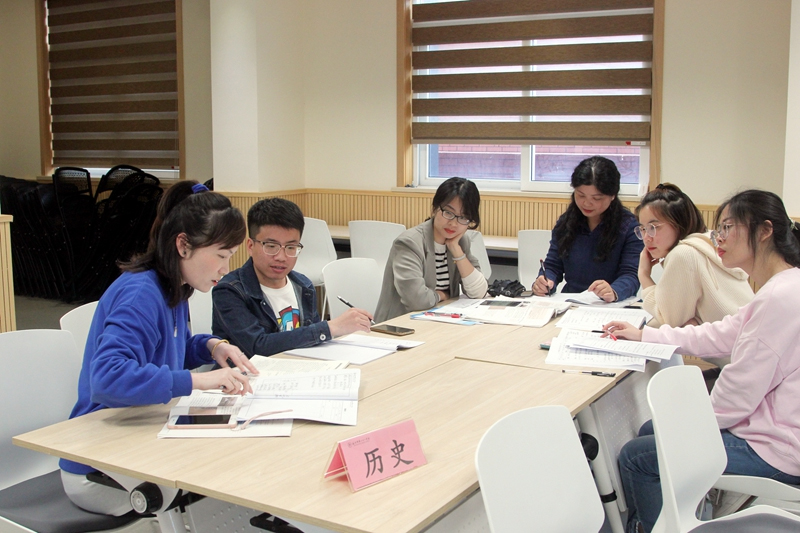
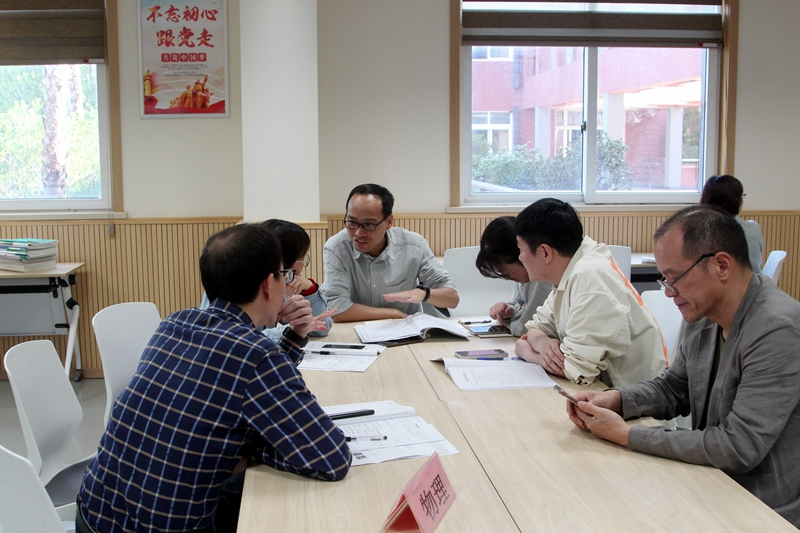
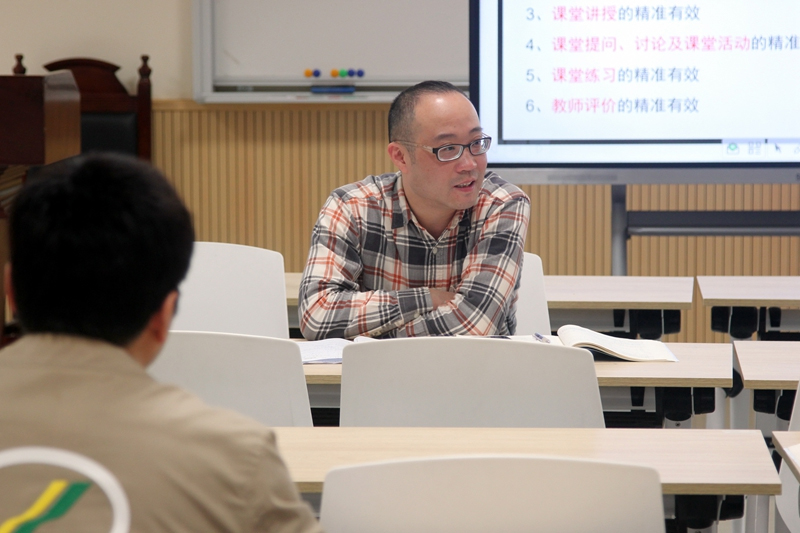
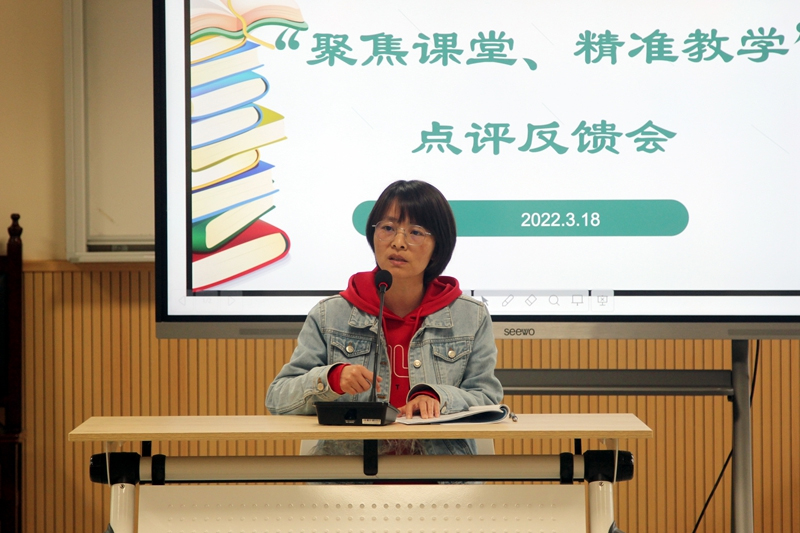
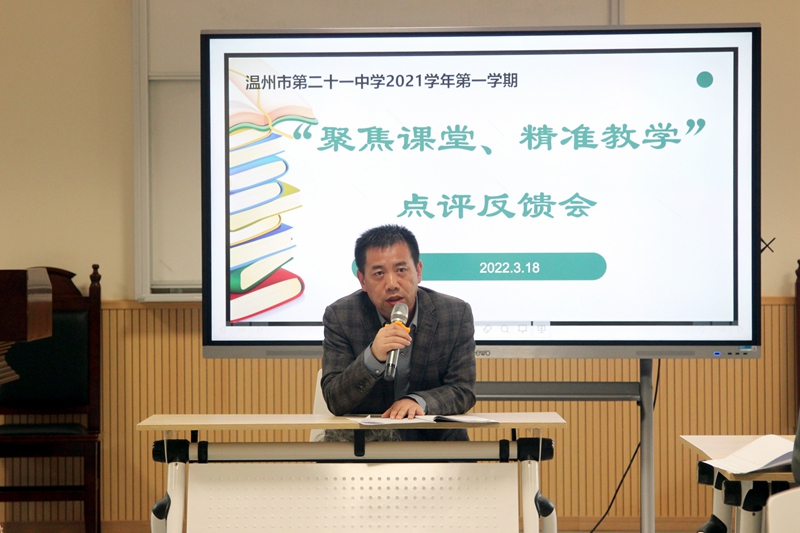
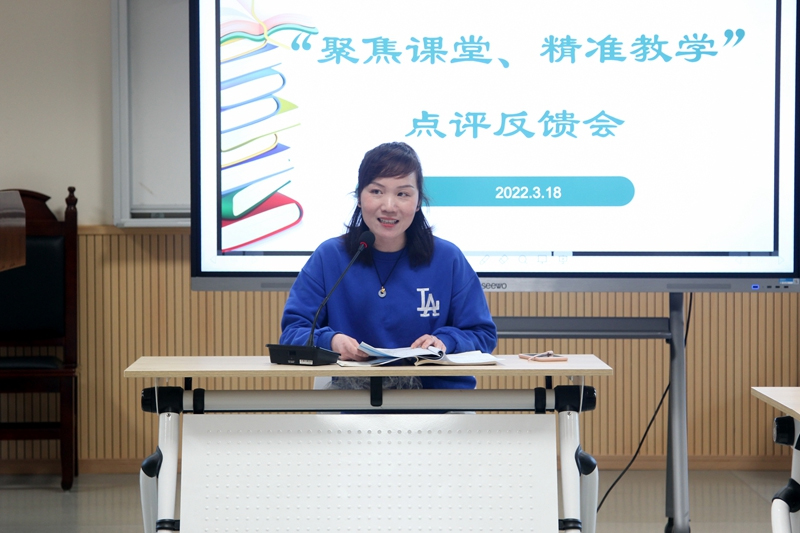

The principal participated in a two-day class observation and evaluation activity and made a summary and feedback。
First of all, President Hu hopes that the middle-aged and young backbone teachers must comprehensively enhance their skills, always maintain a sense of mission and professional aspiration, form their own teaching styles and characteristics, and further, have the responsibility to go beyond personal growth, spare no effort to influence and lead other teachers, and become the backbone of subject development and the main force of school development.
Then, President Hu put forward three suggestions:
First, strengthen research on the new curriculum standards, new textbooks and the new college entrance examination
The changes in this new textbook are quite significant. The structural changes in teaching materials will inevitably lead to changes in the guiding ideology of the college entrance examination questions, and at the same time, they will also have an impact on the elective tests. All these require our teachers to pay attention to, study and grasp them. If the countermeasures are precise and the quality is improved, it may be possible to overtake others by taking a shortcut. Otherwise, we might take a wrong turn and fail. I hope all the teachers will keep working hard and harder to teach our students well and help them reach a higher platform!
Second, cultivate a solid teaching foundation
Teaching proficiency is a teacher's signature skill and core competitiveness! To deliver a good class, my experience is that it's not about teaching exactly as the textbook or teaching reference states. Instead, one should have their own understanding of the knowledge, their own opinions and their own comprehension. To study the inherent laws of knowledge, the inherent laws of teaching, and the learning laws of students. That is to say: You should teach with an attitude of academic research, so that you can deliver high-quality classes that students like. The deeper you delve into it, the more you will find that attending classes is not only a form of dialogue and a science, but also a creation and an art.
Iii. Strengthen data awareness and precision awareness
In the past, our teaching basically relied on empirical judgment, and there were few empirical studies based on data. Even if there were, they were rather rough. For instance, when it comes to the error rate of a certain question, the explanation should be more detailed if the error rate is high, but there is seldom a deep reflection on the reasons for the mistakes, let alone further improving the teaching and learning behaviors. Of course, experience is also a kind of data, small data. With the rapid changes in educational objects and teaching content, such small data may increasingly deviate from reality. This traditional teaching method, which mainly relies on experience-based judgment, is similar to traditional Chinese medicine. Its diagnosis and treatment are based on overall conditioning according to personal experience. Now, it needs to transform into precise diagnosis and treatment based on data in Western medicine, or in other words, better integrate the two.

Afterwards, the ten teachers who offered the courses each submitted a reflection and summary on the precision and effectiveness of their classes based on self-evaluation and evaluations from others, bringing a perfect conclusion to this precise classroom teaching research activity.
Reflection fragment
For the classroom practice section, in terms of design, I abandoned the traditional "lecture first, practice later" model and instead used exercises to connect knowledge. This is the design feature of this class. This class will use two common types of questions in the college entrance examination: multiple-choice questions and non-multiple-choice questions. There are two multiple-choice questions. One is to introduce knowledge, and the other is to analyze knowledge, advancing step by step. Non-multiple-choice questions, whether in terms of material selection or the way of asking questions, are all guided by the college entrance examination. (Although the sample papers of the new textbooks for the college entrance examination in Zhejiang Province have not yet been released, the college entrance examination question setting methods in recent years still have reference significance.) In terms of question type design, they all imitate the college entrance examination questions. During the class, an analysis was conducted on the students' generation situation, and guidance on learning methods was provided for this type of question. In my opinion, the classroom practice section is precise and effective both in design and implementation.
In the first part of this section, through four progressive questions, students are encouraged to think and answer, grasping the general situation of the West-East Gas Pipeline. In the classroom, the precision and clarity of questions are of great significance, as they affect students' responses and the teaching time of the class. Therefore, teachers should carefully consider their questions, present them in the presentation slides or study plans, and match them with precise and concise answers.
Then I consulted literature, newspapers and papers to find relevant information about Xinjiang and Shanghai, integrated it and formed materials about the impact of engineering allocation on the two places, and finally presented them on the PPT and study plan. The usage ratio chart of Shanghai natural gas in the courseware was drawn by me based on the text. As I felt that the background material had too much text and was not concise enough, converting it into a chart not only reduced the amount of text but also made it more intuitive. Facts have proved that students can draw the conclusion of the change in Shanghai's energy consumption structure through the graph. All these reflect the accuracy of the materials I prepared during the lesson preparation process.
In terms of the accuracy and effectiveness of teacher evaluations: When students answer questions, I dare not fully let them speak freely. Maybe it's because new teachers are relatively lacking in this aspect, always fearing that their control over the questions is not strong enough. However, one thing that was done relatively well this time was that they dared to allow students with average grades to speak. In terms of the variations for testing students' learning outcomes, I have paid comprehensive attention to their problem-solving situations, recorded their mistakes and promptly summarized them in class.
Research and Training: Focusing on Precise Classroom Teaching
发布时间:2022/03/24 点击次数:
To further deepen the curriculum reform, adapt to the new college entrance examination, explore the classroom teaching transformation based on core literacy under the background of the new curriculum standards and new textbooks, promote the in-depth implementation of precise teaching, further optimize teaching links, and enhance classroom efficiency The Research and Training Office of our school, in collaboration with the High School Basic Department, conducted a precise classroom teaching research activity for the second semester of the 2021 academic year on March 17th and 18th.
For this activity, two teachers from each of the five teaching and research groups of mathematics, physics, chemistry, history and geography in the high school Basic department were selected to conduct teaching of the same lesson in different ways. Administrative staff of the teaching line, directors and deputy directors of relevant departments, and teachers of related subjects participated in the class observation and evaluation activities.
The scene of the class opening
The open class of Mr. Chen Qiang and Ms. Huang Leyan from the High school Mathematics department
The open class of Mr. Hu Li and Mr. Liao Xiaolai from the High school Chemistry Department
The open class of Mr. Yin Zuomo and Mr. Weng Xianxiang from the high school physics department
The open class of Mr. Wang Ze and Mr. Wu Quanjie from the high school history department
The open class of Teacher Liu Na and Teacher Jin Shuyi from the High school Geography Department
The lesson evaluation activity was presided over by Li Ya, the deputy director of the Research and Training Office. First, the teachers who gave the lessons evaluated themselves, and then the heads of the teaching and research groups, the heads of the lesson preparation groups and other group members conducted evaluations by others on the topic of "precise teaching".
The scene of class evaluation
The principal participated in a two-day class observation and evaluation activity and made a summary and feedback。
First of all, President Hu hopes that the middle-aged and young backbone teachers must comprehensively enhance their skills, always maintain a sense of mission and professional aspiration, form their own teaching styles and characteristics, and further, have the responsibility to go beyond personal growth, spare no effort to influence and lead other teachers, and become the backbone of subject development and the main force of school development.
Then, President Hu put forward three suggestions:
First, strengthen research on the new curriculum standards, new textbooks and the new college entrance examination
The changes in this new textbook are quite significant. The structural changes in teaching materials will inevitably lead to changes in the guiding ideology of the college entrance examination questions, and at the same time, they will also have an impact on the elective tests. All these require our teachers to pay attention to, study and grasp them. If the countermeasures are precise and the quality is improved, it may be possible to overtake others by taking a shortcut. Otherwise, we might take a wrong turn and fail. I hope all the teachers will keep working hard and harder to teach our students well and help them reach a higher platform!
Second, cultivate a solid teaching foundation
Teaching proficiency is a teacher's signature skill and core competitiveness! To deliver a good class, my experience is that it's not about teaching exactly as the textbook or teaching reference states. Instead, one should have their own understanding of the knowledge, their own opinions and their own comprehension. To study the inherent laws of knowledge, the inherent laws of teaching, and the learning laws of students. That is to say: You should teach with an attitude of academic research, so that you can deliver high-quality classes that students like. The deeper you delve into it, the more you will find that attending classes is not only a form of dialogue and a science, but also a creation and an art.
Iii. Strengthen data awareness and precision awareness
In the past, our teaching basically relied on empirical judgment, and there were few empirical studies based on data. Even if there were, they were rather rough. For instance, when it comes to the error rate of a certain question, the explanation should be more detailed if the error rate is high, but there is seldom a deep reflection on the reasons for the mistakes, let alone further improving the teaching and learning behaviors. Of course, experience is also a kind of data, small data. With the rapid changes in educational objects and teaching content, such small data may increasingly deviate from reality. This traditional teaching method, which mainly relies on experience-based judgment, is similar to traditional Chinese medicine. Its diagnosis and treatment are based on overall conditioning according to personal experience. Now, it needs to transform into precise diagnosis and treatment based on data in Western medicine, or in other words, better integrate the two.
Afterwards, the ten teachers who offered the courses each submitted a reflection and summary on the precision and effectiveness of their classes based on self-evaluation and evaluations from others, bringing a perfect conclusion to this precise classroom teaching research activity.
Reflection fragment
For the classroom practice section, in terms of design, I abandoned the traditional "lecture first, practice later" model and instead used exercises to connect knowledge. This is the design feature of this class. This class will use two common types of questions in the college entrance examination: multiple-choice questions and non-multiple-choice questions. There are two multiple-choice questions. One is to introduce knowledge, and the other is to analyze knowledge, advancing step by step. Non-multiple-choice questions, whether in terms of material selection or the way of asking questions, are all guided by the college entrance examination. (Although the sample papers of the new textbooks for the college entrance examination in Zhejiang Province have not yet been released, the college entrance examination question setting methods in recent years still have reference significance.) In terms of question type design, they all imitate the college entrance examination questions. During the class, an analysis was conducted on the students' generation situation, and guidance on learning methods was provided for this type of question. In my opinion, the classroom practice section is precise and effective both in design and implementation.
In the first part of this section, through four progressive questions, students are encouraged to think and answer, grasping the general situation of the West-East Gas Pipeline. In the classroom, the precision and clarity of questions are of great significance, as they affect students' responses and the teaching time of the class. Therefore, teachers should carefully consider their questions, present them in the presentation slides or study plans, and match them with precise and concise answers.
Then I consulted literature, newspapers and papers to find relevant information about Xinjiang and Shanghai, integrated it and formed materials about the impact of engineering allocation on the two places, and finally presented them on the PPT and study plan. The usage ratio chart of Shanghai natural gas in the courseware was drawn by me based on the text. As I felt that the background material had too much text and was not concise enough, converting it into a chart not only reduced the amount of text but also made it more intuitive. Facts have proved that students can draw the conclusion of the change in Shanghai's energy consumption structure through the graph. All these reflect the accuracy of the materials I prepared during the lesson preparation process.
In terms of the accuracy and effectiveness of teacher evaluations: When students answer questions, I dare not fully let them speak freely. Maybe it's because new teachers are relatively lacking in this aspect, always fearing that their control over the questions is not strong enough. However, one thing that was done relatively well this time was that they dared to allow students with average grades to speak. In terms of the variations for testing students' learning outcomes, I have paid comprehensive attention to their problem-solving situations, recorded their mistakes and promptly summarized them in class.
Produced By 大汉网络 大汉版通发布系统